Most spring patio projects are decided in September and October, not April. By the time the weather turns warm, the better hardscaping crews have already filled their calendars with jobs that were designed, priced and permitted months earlier. Fall is when you can take your time with design decisions, which is exactly why Green Acres fields so many paver patios conversations once the leaves start dropping. Taking a thoughtful approach to outdoor improvements always leads to a much more satisfying result in the long run.
The design phase is slow by nature. Site measurements, grading checks, material samples and layout revisions typically run three to eight weeks before anyone orders a single pallet. Allowing yourself adequate time during this crucial initial phase helps make sure that every small detail gets proper attention.
Design Work Takes Longer Than Homeowners Expect
A 400 square foot patio sounds simple until you start making decisions about it. Shape, paver size, border color, step placement, seat wall height and the path from the back door all interact, and changing one usually changes two others. Every single element plays a key role in how the final space feels and functions.
Here is what a typical design cycle involves before construction begins:
- Site visit and measurement, including existing grade, downspout locations and tree root zones
- Concept layout with one or two alternates, usually delivered within one to two weeks
- Material selection, which almost always means handling physical samples in natural light
- Revisions, averaging two rounds for most residential projects
- Permitting and utility marking, which can add two to four weeks depending on your township and whether you are near a property line or an impervious coverage limit
Compress that into March and something gets rushed. A rushed timeline can easily create unnecessary stress for everyone involved. Spread it across October through January and you get to sit with the drawings, walk the staked outline in your yard, and change your mind twice without costing yourself a build date.
Cooler Months Show You the Truth About Drainage
Autumn rain is the most honest diagnostic tool a hardscaper has. With the leaf canopy thinning and the ground slower to absorb water, you can actually watch where runoff collects, where the lawn stays soggy for two days, and which downspout dumps toward the proposed patio.
That information shapes the design in concrete ways. A low corner might call for a channel drain, a permeable paver section or a regrade of two to three inches across the patio length. The EPA notes that permeable pavement can capture and infiltrate stormwater on site rather than sending it toward your foundation, which matters more on flat suburban lots than most homeowners realize. Design in April and you are guessing at drainage from a dry site. Design in November and the yard tells you.
Material Decisions Without a Deadline Hanging Over Them
Paver selection is where fall planning pays for itself. Suppliers release updated color lines and discontinue others in late winter, and the off-season is when you can compare full pieces to take home instead of a 4-inch sample chip.
Green Acres walks clients through two or three realistic combinations rather than a catalog, because the border and field paver pairing drives the whole look. Mixing a large-format field with a soldier course border, for example, makes a modest 300 square foot space read as deliberate rather than builder-grade. Finding the right balance of styles can truly transform the entire atmosphere of your property.
Paver Patio Ideas Worth Sketching in October
Winter is when the add-ons get decided, and they are far cheaper to build into the original plan than to retrofit. Running a gas line or conduit after the pavers are set means cutting them back out.
Creative paver patio features clients commonly layer in:
- Fire pits, either a 36 to 48 inch wood-burning ring or a gas insert with a seating radius of about 7 feet
- Outdoor kitchens, from a simple grill surround to a full counter run with refrigeration
- Seat walls and pillars at 18 inches high, which add roughly 20 percent more usable seating without buying furniture
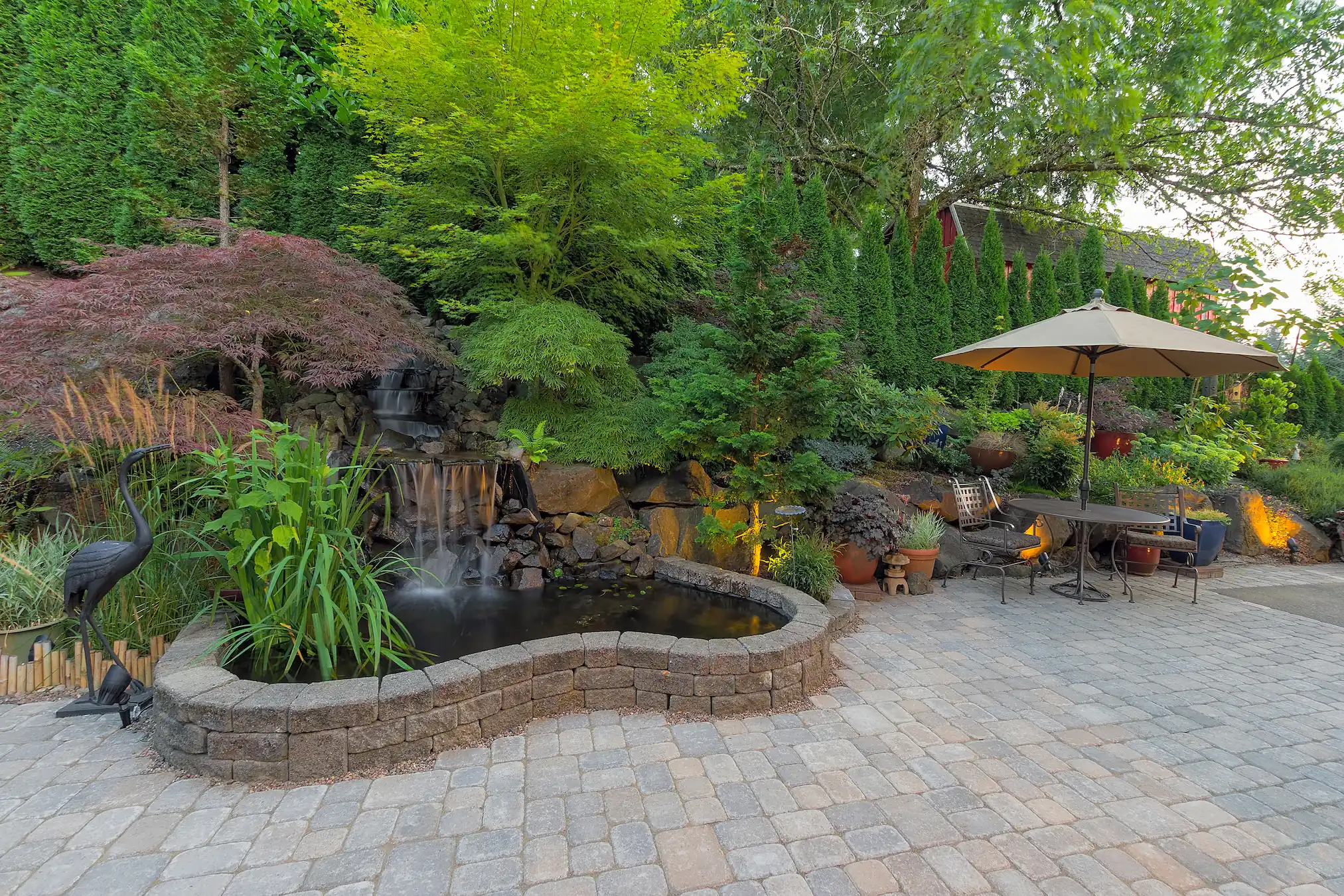
- Low-voltage landscape lighting in Lansdale, including step lights and wall caps that extend evening use of the space by hours
- Planting pockets and raised beds that soften the hardscape edges once spring perennials fill in
Budget-conscious patio ideas tend to follow one rule: keep the shape simple, spend on one focal feature. A rectangular field with a single accent border and a fire pit will look better than an elaborate curved layout with no details at all.
Pricing Gets Clearer When Nobody Is Rushing
Designing in the fall gives you two financial advantages. You can phase the work (patio now, outdoor kitchen next year, with footers already buried), and you have months to line up financing instead of making a decision under pressure. Homeowners planning a paver patio in Lansdale and similar suburbs often lock pricing in the off-season before material increases take effect in early spring.
Fall Installation Is Often Better Than Spring Installation
Design in fall does not always mean build in spring. Crews work comfortably in 40 to 60 degree weather, soil is typically drier than in March, and lawn repair after excavation establishes well in cool, damp conditions.
A Realistic Fall-to-Spring Timeline
- September to October: initial consultation, site measurement, drainage observation
- October to November: concept drawings, material samples, revisions
- November to December: final design approval, contract, deposit, permit submission
- January to February: material ordering and scheduling, often with off-season pricing
- March to May: installation, typically 5 to 12 working days for a standard patio
Start that sequence in April instead and the same project lands in July, which is the month nobody wants to lose.
Start Your Spring Patio Design This Fall
Green Acres is scheduling design consultations now for spring builds, which includes a site walk, drainage review and material samples you can live with for a few weeks before deciding. To get your project into the design queue and enhance your outdoor living areas before the spring rush, contact us today.